Table of Contents
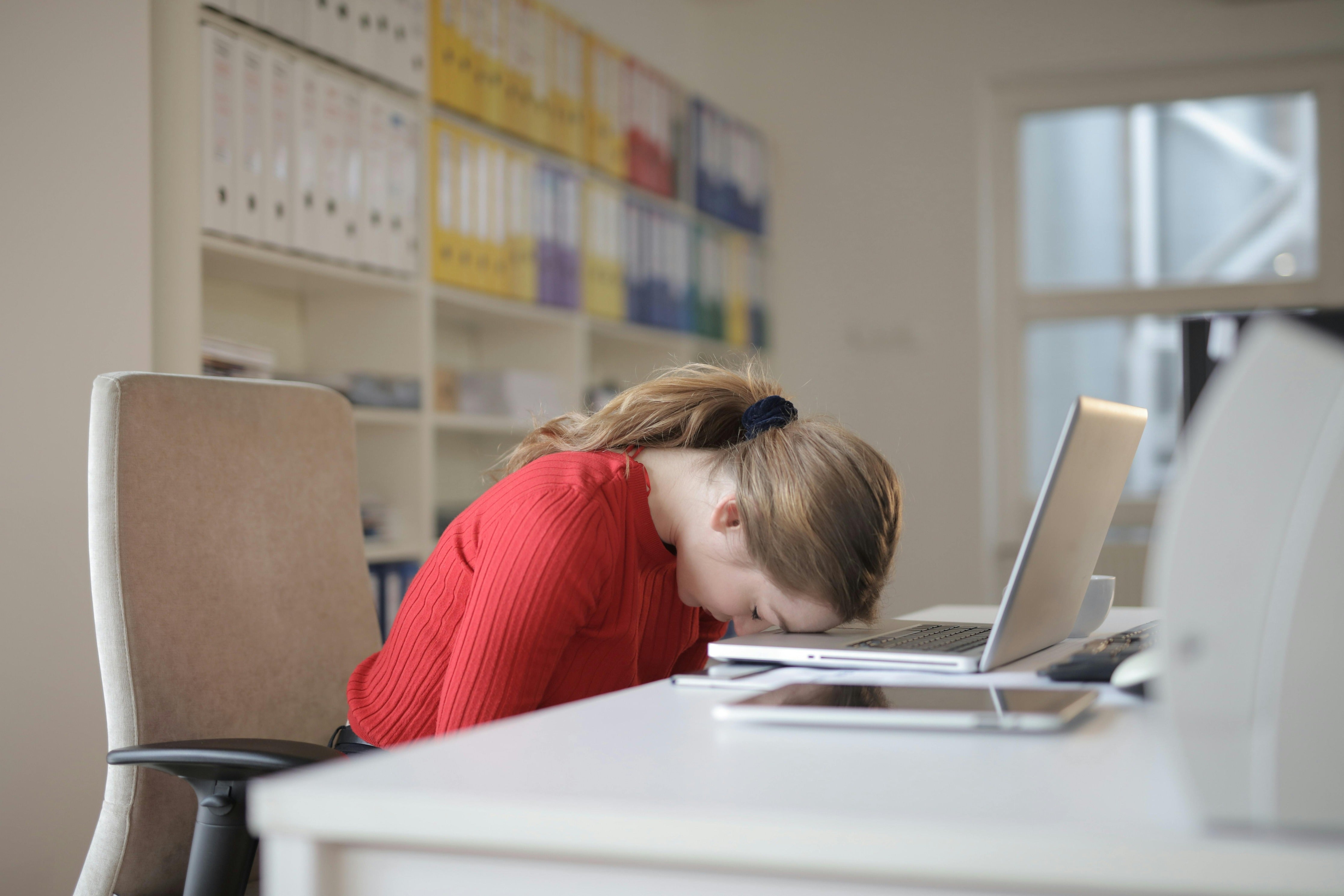
You sleep eight hours but wake up exhausted. You're tired, unfocused, and irritable all day – even though you go to bed early and get up on time.
Does this sound familiar?
Then it's worth looking at a possible cause that is often overlooked – especially in women: sleep apnea.
What is sleep apnea – and why is it often unnoticed?
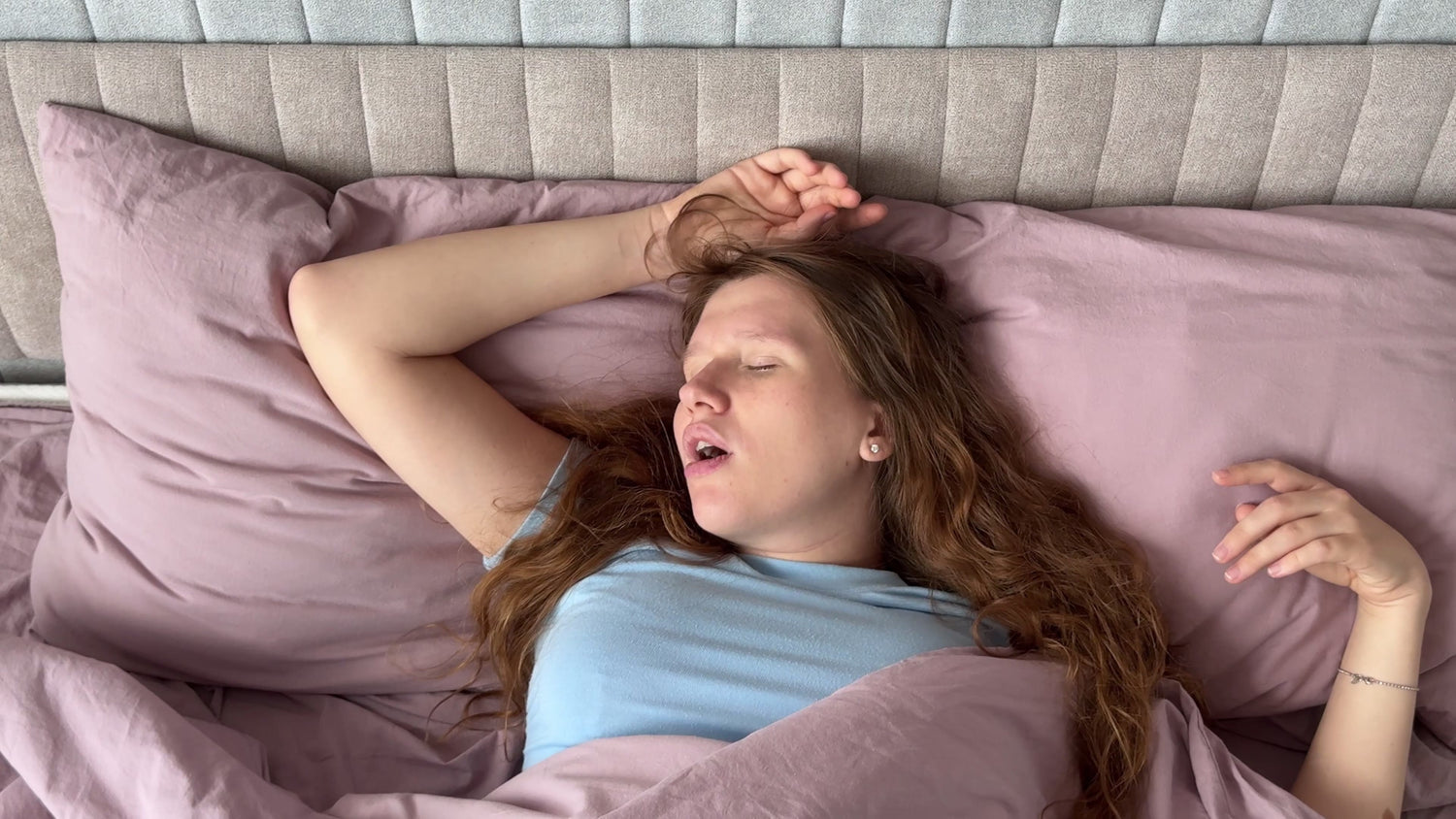
With sleep apnea, breathing repeatedly stops at night. The muscles in the throat relax, and the airways narrow or temporarily collapse. The body reacts reflexively: it takes a breath, wakes up – often only for fractions of a second that one doesn't consciously perceive.
The result: Sleep is repeatedly interrupted. And that's precisely what prevents you from entering the restorative deep and REM phases.
One sleeps – but the body remains in a kind of permanent state of alarm. The next morning, despite enough hours, there is no trace of true recovery.
How you might notice that something is wrong
The insidious thing: many affected individuals don't notice it themselves. Partners also don't always perceive the breathing pauses – especially if typical sounds like loud snoring don't occur.
In women, sleep apnea often manifests more subtly than in men:
Daytime fatigue – despite sufficient sleep
Headaches in the morning
Sleep that feels "light" or "restless"
Concentration problems or irritability
Increased nighttime awakenings or urge to urinate
Insomnia – even though fatigue is present
Depressive moods or mood swings
Typical, loud snoring or gasping for air is often absent – especially in women with normal weight. This is precisely why the diagnosis is often overlooked or not even considered.
Sleep apnea doesn't only affect overweight men
The idea that sleep apnea primarily affects overweight men is persistent – but long outdated.
Even slim women, young people, and even very active individuals can be affected.
Hormonal changes, such as after pregnancy, with cycle fluctuations, or with increasing age, can alter the tissues in the throat area – thus increasing the tendency for sleep-disordered breathing.
Support – simple and effective
Our specially developed formula combines vitamins, minerals, adaptogens, bacterial cultures, and much more for your daily support. Perfectly coordinated for a straightforward daily routine – easy to take and versatile. This all-in-one solution helps you maintain your energy and sustainably support your body, without additional effort.
- 87 ingredients
- Produced in Germany
- Study-based effectiveness
- Especially for women over 40
Clear, honest, to the point – we deliver solutions instead of empty promises.
Why this is not harmless
Sleep apnea is not just a problem for sleep quality. It has direct effects on the entire body. If nightly rest is lacking, it can overwhelm the organism over weeks and months.
Long-term consequences can be:
Increased blood pressure
Cardiovascular diseases
Inflammatory processes in the body
Weight gain or difficulty losing weight
Lack of motivation or depressive moods
Weakened immune system
The body simply never truly rests – and that's exactly what makes it sick.

What to do if no cause can be found?
If you feel chronically tired, even though your blood counts are good, your sleep "seems okay," and you've tried everything – then also consider this option: a sleep screening or a sleep lab examination.
The examination is non-invasive, usually straightforward, and can provide crucial clues.
Especially if you have been suffering from exhaustion for a long time – and no conclusive explanation has been found so far.
Conclusion: Sleep is more than just time in bed
True rest doesn't happen automatically just because you've slept for eight hours. If breathing disturbances constantly fragment sleep, your body cannot switch off – no matter how healthy your lifestyle otherwise is.
Sleep apnea is treatable. But only if it's recognized. And that's why it's worth taking a closer look – especially if you feel continuously tired without an explainable cause.
Your Basis. Daily. Simply.
Our routine is made for you – uncomplicated, quick to prepare, and perfectly integrated into your daily life. Provides you daily with everything your body needs now for
Power. Focus. Balance.
- No effort
- No complexity
Just you, your energy, and the good feeling of taking care of yourself.
Interested in exciting content in your inbox?
We believe in the power of community and exchange. Feel free to follow us on Instagram | Pinterest . Or receive emails conveniently in your inbox.
Do you want more information?
Blood sugar management, hormonal balance or healthy sleep – Daylista researches the most important answers about your health for you. Our 9 focus areas help you to specifically improve your well-being: pump it up, happy sleeping, no drama be queen, from the heart, under pressure, l'amour toujours, I can see clearly now, unstoppable and just the way you are. Our Navigator is a resource for you. Because you know what you want - and we know how you can achieve it. Visit the Navigator now.

Questions & Answers
I sleep eight hours and am still constantly tired – how can that be?
A possible cause could be sleep apnea. This involves short breathing pauses at night that repeatedly interrupt your sleep. You usually don't notice these mini-waking moments – but your body never truly enters the restorative deep sleep phases as a result.
How can I tell if I might have sleep apnea?
Typical signs can include severe daytime fatigue, morning headaches, concentration problems, frequent nighttime awakenings, or restless sleep. In women, sleep apnea often occurs without loud snoring – which is why it is often overlooked.
What should I do if I am constantly exhausted and can't find a cause?
Then a sleep screening or an examination in a sleep lab may be useful. The tests are straightforward and can show whether breathing disturbances are affecting your sleep. The good news: sleep apnea is treatable.

Marianna Papagallo Dörnemann
Gynecologist
As a gynecologist, I have been accompanying women through the hormonal changes of perimenopause and menopause for many years. I know how individual this phase of life is – and how much quality of life we can gain if we approach it with knowledge and openness.