Table of Contents
Why belly fat is not just about your figure
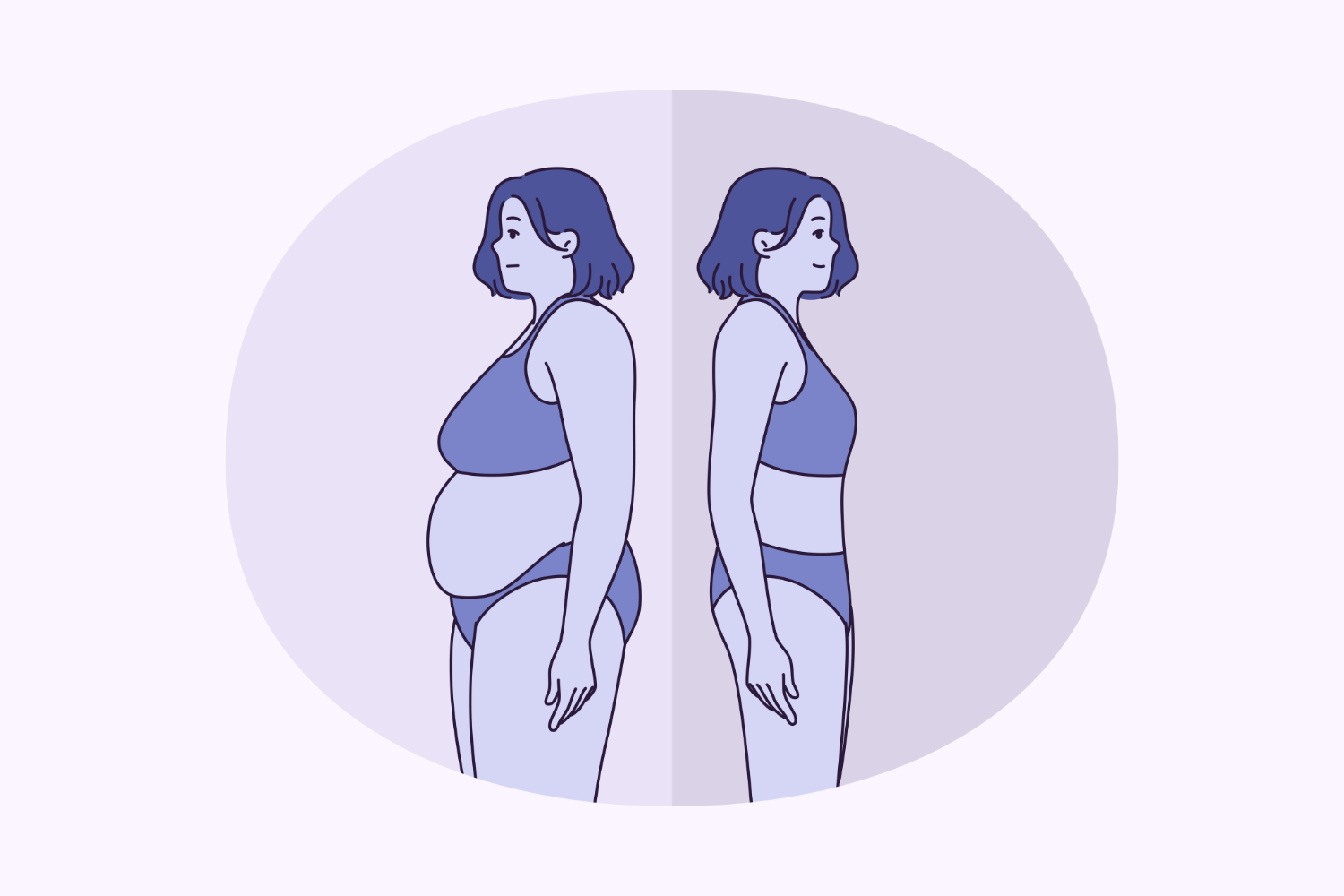
A few pounds more or less – is it really that bad? The answer is: it depends on where the fat is located. Especially fat in the abdominal area, called visceral fat, can become a problem. Belly fat does not only accumulate under the skin, but also around the organs and changes the metabolism.
Especially during menopause, this fat accumulation often increases. This is due to hormonal changes, which not only affect energy consumption, but also how fat is stored. The result? An increased risk of cardiovascular diseases, high blood pressure and diabetes.
Visceral Fat – An Invisible Risk
Fat is not just fat. While fat pads on the hips or thighs have less impact on health, it is the fat in the abdominal area that is crucial. One distinguishes between subcutaneous fat and visceral fat. Subcutaneous fat is - as the name suggests - softer fat directly under the skin. It may be undesirable, but has little impact on health. Visceral belly fat, on the other hand, is the dangerous fat that surrounds organs such as the liver, pancreas, and intestines and actively interferes with bodily processes:
It produces inflammatory messengers that can damage blood vessels.
It makes the body less sensitive to insulin, which increases the risk of diabetes.
It affects blood pressure by disrupting vascular regulation.
It changes hormone balance, which further promotes weight gain.
And the problem: you don't always see it. Even slim people can have too much visceral belly fat – this is called TOFI ("thin outside, fat inside").
Support – simple and effective
Our specially developed formula combines vitamins, minerals, adaptogens, bacterial cultures and much more to support you in everyday life. Perfectly coordinated for an uncomplicated daily routine – easy to take and versatile. This all-in-one solution helps you maintain your energy and sustainably support your body, without extra effort.
- 87 Ingredients
- Produced in Germany
- Study-based effectiveness
- Specially for women over 40
Clear, honest, to the point – we deliver solutions instead of empty promises.
Menopause & Fat Distribution – Why the Body Changes
Many women notice it: suddenly, fat tends to accumulate more around the belly, even if the weight remains the same. This is because the body handles fat differently as estrogen levels decline.
What exactly happens?
The body stores more fat in the abdominal area. While estrogen previously ensured that fat was stored more in the thighs and hips, this changes with menopause.
Basal metabolic rate decreases. Due to the loss of muscle mass, the body consumes less energy at rest. This means: you burn fewer calories, even if eating habits and exercise remain the same.
Insulin works less effectively. The body has to release more insulin to transport sugar into the cells. However, insulin promotes fat storage – especially in the abdominal area – and inhibits fat breakdown.

What does visceral belly fat do to your heart?
There's a reason why heart specialists repeatedly point to belly fat as a risk factor. This is because fat in the abdominal area is not just passive tissue, but releases substances that negatively affect the heart.
What consequences can this have?
Deposits in the vessels (atherosclerosis): Fat cells promote inflammation, which damages the vessel walls and leads to deposits. This makes the arteries narrower and less elastic.
High blood pressure: If the vessels are narrowed or stiffer, the heart has to exert more force to pump blood through the body. This increases the pressure in the arteries and puts additional strain on the heart.
Higher risk of heart attack and stroke: Narrowed or inflamed vessels can close more easily, which can interrupt blood flow to the heart or brain.
And the insidious thing about it: you don't feel it immediately. Many women only realize late that their cardiovascular risk has changed.
Your Basis. Daily. Simply.
Our routine is made for you – uncomplicated, quick to prepare and perfectly integrated into your daily life. Provides you daily with everything your body needs now for
Power. Focus. Balance.
- No effort
- No complexity
Just you, your energy and the good feeling of taking care of yourself.
What you can do – Strategies against belly fat
The good news: visceral belly fat can be targetedly reduced. Three things are crucial for this: nutrition, exercise and stress management.
Nutrition – the right food for an active metabolism
Focus on proteins: They keep you full for a long time and support muscle maintenance.
Fiber for stable blood sugar: Vegetables, legumes and whole grain products help prevent cravings.
Reduce sugar: Less sugar means fewer insulin spikes – and thus less fat storage.
Healthy fats instead of saturated fatty acids: Omega-3 fatty acids from fish, flaxseed or walnuts have an anti-inflammatory effect.
Exercise – how it activates fat burning
Strength training increases basal metabolic rate: More muscle means higher energy consumption – even at rest. In addition, strength training improves insulin sensitivity and helps promote fat breakdown instead of storing it in the abdominal area.
Endurance training strengthens the heart and reduces stress: Jogging, cycling or swimming improve fat burning and reduce cortisol levels, which can promote belly fat.
HIIT is particularly effective against visceral fat: Intense intervals increase energy consumption and ensure an afterburn effect that continues fat breakdown even after training.
The best strategy: A combination of everything - for example 2 times a week strength training, 1-2 times HIIT and endurance training or brisk walking.
Stress reduction – why relaxation can reduce belly fat
Chronic stress keeps cortisol levels consistently high, which promotes fat storage in the abdominal area. Cortisol increases blood sugar, promotes insulin resistance, and simultaneously inhibits fat breakdown. The body prefers to store energy as visceral fat because it is readily available. So, relaxing can also positively influence your metabolism. Try:
Scheduling regular "me time" – even small moments of relaxation help.
Using exercise as a stress reliever – walks or yoga work doubly well.
Getting enough sleep – poor sleep increases the risk of fat accumulation.
Conclusion: Why belly fat should not be ignored
Visceral belly fat is an invisible but crucial factor for health – especially for the cardiovascular system. Women in menopause are particularly affected because hormonal changes influence fat distribution.
The good news: with the right combination of nutrition, exercise and stress reduction, the risk can be actively reduced. Not overnight – but sustainably and long-term.
Looking for exciting content about perimenopause in your inbox?
We believe in the power of community and exchange. Feel free to follow us on Instagram | Pinterest. Or receive the emails conveniently in your inbox.
Do you want more information?
Blood sugar management, hormonal balance or healthy sleep – Daylista researches the most important answers about your health for you. Our 9 focus areas help you to specifically improve your well-being: pump it up, happy sleeping, no drama be queen, from the heart, under pressure, l'amour toujours, I can see clearly now, unstoppable and just the way you are. Our Navigator is a resource for you. Because you know what you want - and we know how you achieve it. Visit the Navigator now.

Questions & Answers
What exactly is visceral fat – and why is it so dangerous?
Visceral fat is the type of fat that accumulates deep in the abdominal cavity around internal organs such as the liver, pancreas, and intestines. Unlike superficial fat, it stores inflammatory messengers and disrupts metabolism. It increases the risk of cardiovascular diseases, high blood pressure, type 2 diabetes, and hormonal imbalances.
Can I specifically reduce belly fat – and if so, how?
You can effectively reduce visceral belly fat by combining several factors – regular exercise (especially endurance and strength training), a protein-rich diet, less sugar and processed fats, and stress reduction. Even a 5–10% reduction in body weight can have a noticeable health effect.
Why does belly fat increase so much during menopause?
As estrogen levels decline, fat distribution in the body changes. While in younger years fat tends to be stored more in the hips and thighs, during perimenopause, fat increasingly accumulates in the abdominal area. At the same time, the basal metabolic rate decreases, muscle mass declines, and insulin works less effectively – all of which promotes the storage of visceral fat, even if the scale weight remains the same.

Dr. Catharina Hamm
Specialist in Internal Medicine and Cardiology
As a cardiologist, I see daily how often heart health in women is underestimated – especially around menopause. I know how important it is to recognize female risks early and take symptoms seriously. That's why I want to encourage women to actively manage their heart health – with clarity, responsibility, and the knowledge that prevention is the strongest heartbeat.