Table of Contents
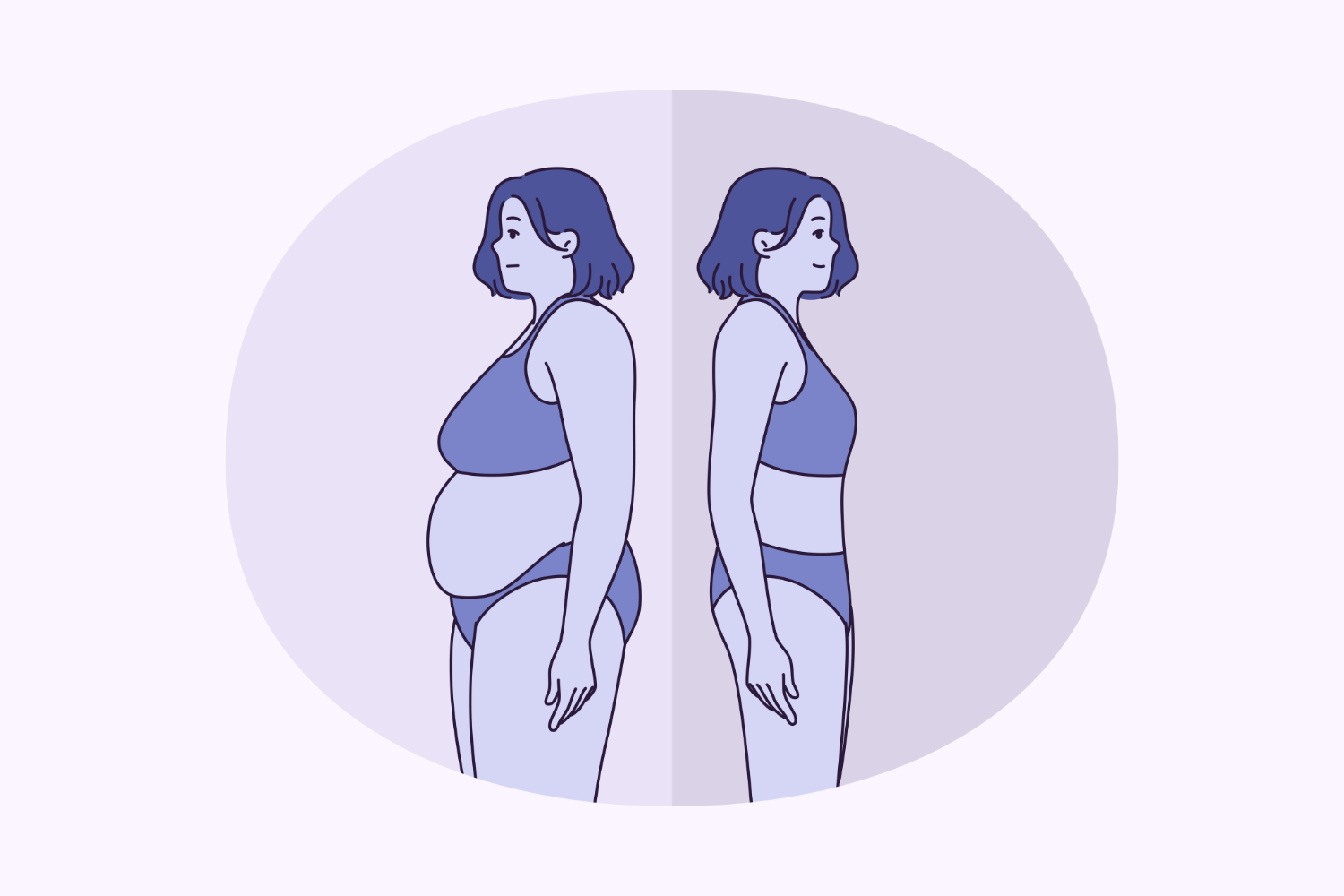
In perimenopause, many women experience a new and often more intense version of PMS (Premenstrual Syndrome). In addition to familiar complaints like breast tenderness and cravings, new symptoms exacerbated by hormonal fluctuations emerge: sleep disturbances, headaches, and extreme mood swings. This experience is not uncommon in perimenopause. The hormonal fluctuations during this transitional period can intensify PMS and profoundly affect many women's daily lives. Why is this so, and what can be done about it?
Why PMS Becomes More Intense in Perimenopause
Perimenopause is a phase of hormonal upheaval where the delicate balance between estrogen and progesterone becomes increasingly disturbed. These hormonal fluctuations are responsible for many of the physical and emotional symptoms women feel so intensely during this stage of life. The changes in hormone balance are not linear but often occur in strong waves that repeatedly surprise and burden the body.
Estrogen Peaks and Troughs: The Effect of "Estrogen Dominance"
At the beginning of perimenopause, the declining progesterone level leads to a relative excess of estrogen. Additionally, impaired egg maturation can cause extreme fluctuations in estrogen production.
This means that unusually high amounts of this hormone circulate in the body for short periods before rapidly declining again. These peaks can lead to a variety of symptoms:
- Increased breast sensitivity and water retention: Higher estrogen concentrations lead to more fluid retention in body tissues, which can exacerbate breast tenderness and a feeling of "bloating."At the beginning of perimenopause, the declining progesterone level leads to a relative excess of estrogen. Additionally, impaired egg maturation can cause extreme fluctuations in estrogen production.
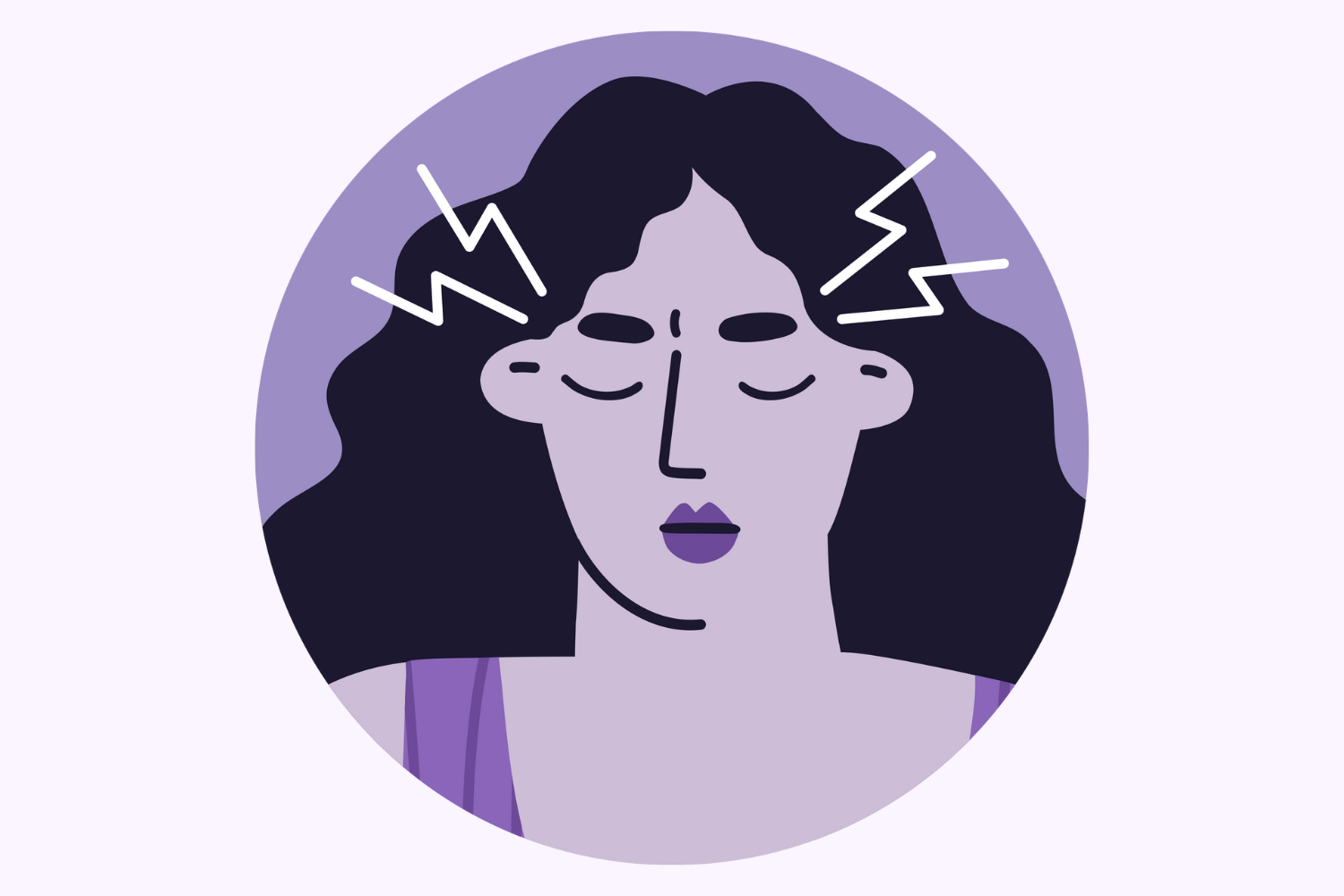
Headaches and migraines: Many women are sensitive to rapid drops in estrogen, which can lead to headaches or migraines. Women who are generally sensitive to hormonal changes are particularly susceptible here.
Mood swings: The abrupt shift between high and low estrogen levels also affects neurotransmitters in the brain, which impacts mood and can lead to sudden mood swings. Estrogen availability is essential for neurotransmitter production. Estrogen substitution has been shown to enhance serotonin activity with antidepressant effects.
Support – simple and effective
Our specially developed formula combines vitamins, minerals, adaptogens, bacterial cultures and much more for your daily support. Perfectly coordinated for an uncomplicated daily routine – easy to take and versatile. This all-in-one solution helps you maintain your energy and sustainably support your body, without additional effort.
- 87 ingredients
- Produced in Germany
- Study-based effectiveness
- Specially for women over 40
Clear, honest, to the point – we deliver solutions instead of empty promises.
Progesterone Deficiency: The Missing "Antagonist"
While estrogen fluctuates in waves, progesterone tends to decrease permanently during perimenopause. Progesterone is the hormone produced in the second half of the cycle after ovulation and has a calming effect on the nervous system. This hormone plays a central role in regulating sleep, emotional stability, and general well-being. A lack of progesterone means:
Sleep problems: Progesterone has a calming effect that promotes falling asleep and deep sleep. Without this natural "sleep-promoter," many women find it harder to unwind in the evening and sleep through the night.
Increased irritability and anxiety: Progesterone supports the action of the calming neurotransmitter GABA in the brain. GABA, short for gamma-aminobutyric acid, is a neurotransmitter, a messenger substance in the brain that has a calming effect on the central nervous system. A low progesterone level reduces the calming effect of GABA, which often leads to increased irritability, inner restlessness, and anxiety. Women feel overstimulated more quickly and are less resilient.
Exacerbated PMS symptoms: Without the balancing effect of progesterone, mood becomes more unstable, and classic PMS symptoms such as cravings, breast tenderness, and mood swings are perceived as more intense and longer-lasting.
The Dynamics of Perimenopause: Why Symptoms are So Intense
The combination of irregular estrogen fluctuations and the permanent decline in progesterone leads to a hormonal imbalance that sensitively disrupts emotional and physical stability. The body is programmed to keep these hormones in a delicate balance. If one hormone suddenly rises and the other continuously falls, the entire organism reacts sensitively to these changes. Symptoms can vary from month to month and often occur more intensely and for longer periods than women are accustomed to from previous PMS phases.

PMS and the Risks of Early Menopause
Tips for Everyday Life: What Helps Against PMS in Perimenopause?
Reduce Stress: Simple, Yet Effective
Nutrition as a Hormone Helper
Proper nutrition supports hormone balance and can alleviate PMS symptoms:
Omega-3 fatty acids: These fatty acids, as supplements or found in fish and flaxseed oil, have anti-inflammatory effects and stabilize mood.
Vitamin B6: Taking vitamin B6 in doses of up to 100 mg per day has shown improvements in several studies.
Magnesium: Magnesium relaxes muscles and relieves cramps, headaches, and sleep problems. Good sources include green leafy vegetables, nuts, and seeds. Alternatively, supplements (200 mg to 400 mg) can be taken.
Antioxidants: These nutrients in vegetables, berries, and nuts protect cells from stress and strengthen the immune system. They have a positive effect on general well-being.
During the PMS phase, coffee, tea, alcohol, and salt should be avoided. Caffeine intensifies PMS symptoms many times over. There is also a clear connection between cigarette smoking and PMS.
Your Base. Daily. Simply.
Our routine is made for you – uncomplicated, quick to prepare and perfectly integrated into your daily life. Provides you daily with everything your body needs now for
Power. Focus. Balance.
- No effort
- No complexity
Just you, your energy and the good feeling of taking care of yourself.
Phytotherapy and Natural Remedies
Phytotherapeutics such as chasteberry (Agnus castus) can support hormonal balance and alleviate PMS symptoms like breast tenderness and irritability. Chasteberry has antispasmodic effects, stabilizes inner well-being, and is very well tolerated. However, it must be taken in a relatively high dosage. A study showed positive effects with a daily intake of 20 mg. St. John's wort and lavender oil also have a calming effect on the nervous system and help balance mood swings.
Acupuncture and Traditional Chinese Medicine (TCM)
Active Against PMS: Exercise as a Natural Balance
Regular exercise is an effective remedy for PMS symptoms. Studies show that exercise helps reduce stress, lift mood, and improve sleep quality. Activities such as brisk walking, jogging, yoga, or swimming for at least 30 minutes daily can reduce the intensity of PMS symptoms and improve overall well-being during the cycle. Exercise also stimulates the production of endorphins, the body's "feel-good hormones," which naturally contribute to relaxation and alleviate emotional symptoms.
Birth Control Pill: Hormonal PMS Therapy with Contraceptive Effect
The classic birth control pill can help with PMS by preventing ovulation and thus hormonal fluctuations. This keeps hormone levels stable, which prevents negative effects on serotonin production. The pill is particularly effective in a long-term cycle without a break, as this ensures continuous stability. There are now many new types of birth control pills on the market that have little to no thrombosis risk. Some contain bioidentical hormones, i.e., hormones that are structurally identical to the hormones of the human body.
Hormone Replacement Therapy (HRT): Hormonal PMS Therapy without Contraceptive Effect
Hormone replacement therapy (HRT) can also alleviate PMS symptoms. Since HRT smooths out pronounced fluctuations in estrogen levels and maintains them at a stable, normal level, symptoms based on hormonal fluctuations can be reduced. However, it is important to always discuss the decision for HRT with a doctor. Professional clarification ensures that the therapy is individually suitable and that all factors – such as medical history and potential risks – are taken into account.
Stabilizing Neurotransmitter Metabolism
SSRIs (selective serotonin reuptake inhibitors) are a group of medications frequently used to treat depression, anxiety disorders, and other mental illnesses. They work by inhibiting the reuptake of serotonin in nerve cells, which increases the availability of this neurotransmitter in the brain. Placebo-controlled studies have shown that SSRIs can be an effective treatment for PMS. They can be taken either continuously at a low dose or used specifically for symptoms. Another option is to take them only one to two days before ovulation or a staggered dosage, where SSRIs are taken at a low dose at the beginning of the cycle and a higher dose in the second half of the cycle.
Unlike in classic depression treatment, where SSRIs only take effect after some time, affected women often experience rapid relief from PMS symptoms here. However, side effects can occur, including nausea, restlessness, and headaches, which usually disappear after a short time. These complaints can also reappear when discontinuing the medication. It is important to note, however, that in Germany, there is no official indication for the treatment of PMS with SSRIs – it is therefore an off-label use.
Conclusion: PMS in Perimenopause - When Hormones Take Control
PMS in perimenopause can feel like a hormonal rollercoaster drama with unpredictable twists and turns. But that doesn't mean women are at the mercy of this challenge. With a targeted strategy, balance can be restored: a nutrient-rich diet, stress management, and regular exercise help to mitigate hormonal turmoil. Herbal remedies such as chasteberry or lavender can provide additional support, and for some women, hormone therapy may be beneficial – individually tailored with a doctor.
Most importantly, it's crucial to understand and take your own body seriously. PMS is not "just a phase," but a sign that the hormonal system is in flux. Those who actively counteract it and practice self-care can not only navigate this transitional period better but also emerge stronger.
Craving exciting content about perimenopause in your inbox?
We believe in the power of community and exchange. Feel free to follow us on Instagram | Pintrest . Or receive emails conveniently in your inbox.
Do you want more information?
Blood sugar management, hormonal balance or healthy sleep – Daylista researches the most important answers for your health. Our 9 focus areas help you to specifically improve your well-being: pump it up, happy sleeping, no drama be queen, from the heart, under pressure, l'amour toujours, I can see clearly now, unstoppable and just the way you are. Our Navigator is a resource for you. Because you know what you want - and we know how you achieve it. Visit the Navigator now.

Questions & Answers
Why does PMS get stronger in perimenopause?
Hormonal fluctuations, especially irregular estrogen peaks and a drop in progesterone levels, intensify PMS symptoms like mood swings and sleep problems.
How long does PMS last in perimenopause?
The duration varies, but many women experience more intense PMS symptoms for several years until hormones stabilize after menopause.
How can a good nutrient balance support perimenopause?
A nutrient-rich diet helps balance hormonal fluctuations. Omega-3 fatty acids (fish, flaxseed oil), Vitamin B6 Magnesium (nuts, green vegetables), and antioxidants (berries, nuts) can alleviate PMS symptoms and improve well-being.

Marianna Papagallo Dörnemann
Gynecologist
As a gynecologist, I have accompanied women through the hormonal changes of perimenopause and menopause for many years. I know how individual this phase of life is – and how much quality of life we can gain if we approach it with knowledge and openness.