Table of Contents
Why this article is important:
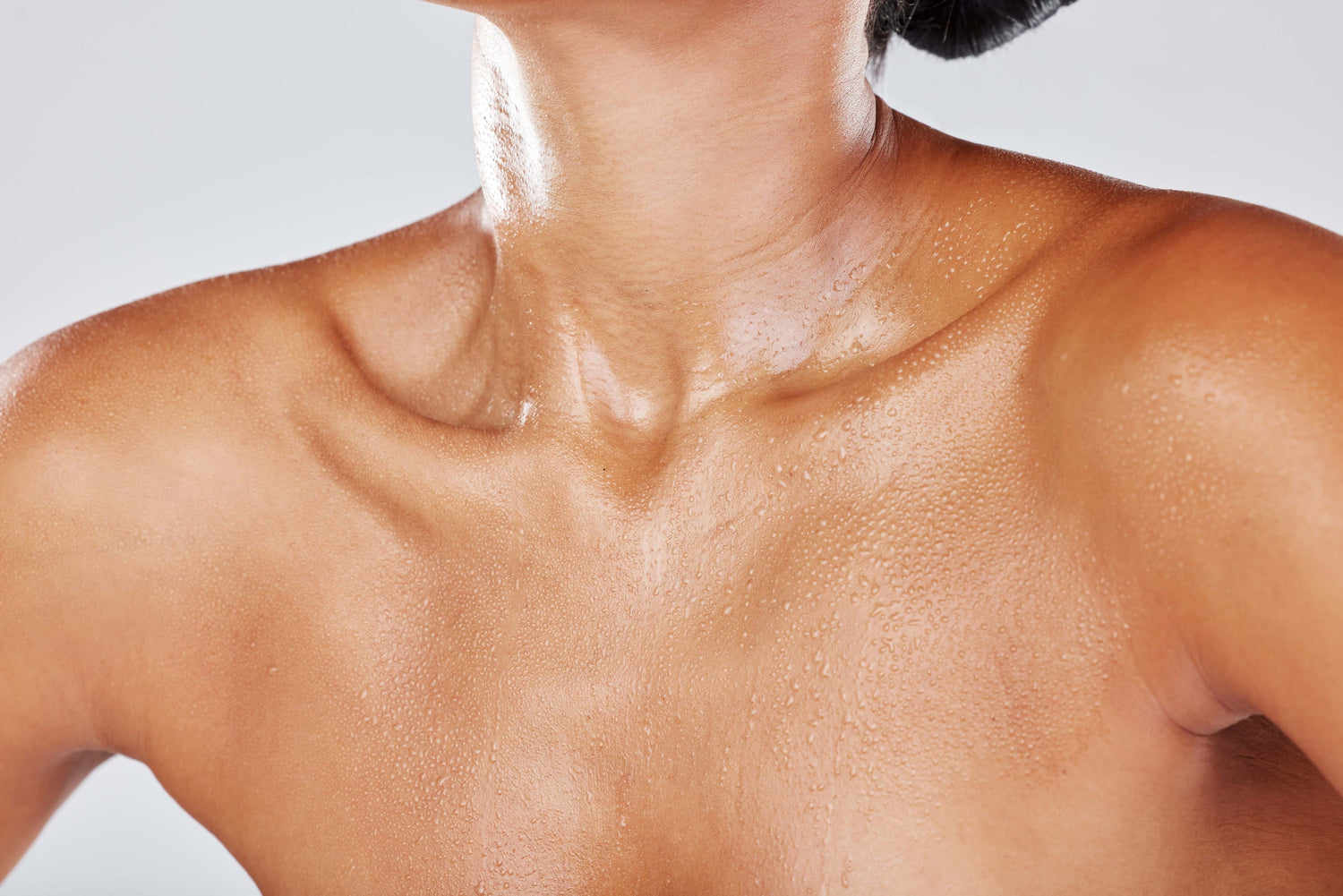
Many women know it: suddenly, sweat breaks out – for no apparent reason. During the day, at night, when falling asleep, or in the middle of a meeting.
The obvious explanation: hormonal changes. And yes – falling estrogen levels can throw the brain's temperature control center out of whack. But it's not always just that.
Because metabolism also changes – often insidiously, sometimes unnoticed. A term that is becoming increasingly important here is: insulin resistance.
What is insulin resistance – and what does it have to do with sweating?
Insulin is a hormone that ensures sugar gets from the blood into the cells – for example, into the muscles or liver. There, the sugar is used as energy or stored.
However, if the cells respond less and less well to insulin – for example, due to chronic stress, too little exercise, or hormonal changes – this is called insulin resistance. The body tries to compensate by producing more insulin.
And that's exactly what messes things up.
Because too much insulin in the blood:
promotes fat storage – especially around the abdomen
increases inflammatory processes
affects other hormones like testosterone or cortisol
activates the autonomic nervous system – and this can lead to sudden sweating
In short: sweating can also be a metabolic signal – and then has nothing (or not only) to do with classic hot flashes.
Your Basis. Daily. Simply.
Our routine is made for you – uncomplicated, quick to prepare and perfectly integrated into your everyday life. Provides you daily with everything your body needs now for
Power. Focus. Balance.
- No effort
- No complexity
Just you, your energy and the good feeling of taking care of yourself.
A look in the mirror often provides the first clues
Insulin resistance doesn't always show up first in blood tests – often it's your body that gives you early warning signs of a metabolic imbalance. Some changes are subtle, others are more noticeable. Especially visceral fat – i.e., belly fat that accumulates around the internal organs – is considered a typical indicator.
The classic "love handles," on the other hand, medically referred to as gynoid fat distribution, are far less problematic. What matters is not just that fat is present – but where it is located.
Also pay attention to the following possible changes:
Abdominal weight gain, even though your diet hasn't changed
Cravings, especially for sweets or fast carbohydrates
Fatigue or energy dips after eating
Sudden, unpleasant sweating – without a clear trigger
Dark, velvety skin patches on the neck, armpits, or groin (Acanthosis nigricans)
Hair loss on the top of the head or increased facial hair growth
Fat pads in the neck area, often called "Buffalo Hump"
This does not automatically mean that you have insulin resistance. But if you recognize several of these points in yourself, a closer look is worthwhile – ideally in combination with laboratory values.
What increases the risk?
The time around menopause is per se a sensitive phase for metabolism. But there are additional factors that increase the risk of insulin resistance:
a sedentary lifestyle
many highly processed carbohydrates (e.g., white bread, sweets, soft drinks)
poor or too little sleep
chronic stress
known metabolic diseases in the family (e.g., diabetes, heart attack, high blood pressure)
An elevated BMI can also be an indication – but the fat distribution is more important.
Belly fat is a stronger warning sign in this case than fat on the hips.
Why you should take this seriously – even if your blood sugar levels are "normal"
The insidious thing is: insulin resistance develops long before your fasting blood sugar changes. Sometimes over years. Nevertheless, during this time, your body is already working against a permanent overload – and this can affect many processes.
In the long term, the risk of:
Type 2 diabetes
High blood pressure
Arteriosclerosis
Cardiovascular diseases
Chronic fatigue and sleep disorders
Sweating is just one possible symptom – but often the first one noticed.
Support – simple and effective
Our specially developed formula combines vitamins, minerals, adaptogens, bacterial cultures, and much more for your daily support. Perfectly coordinated for an uncomplicated daily routine – easy to take and versatile. This all-in-one solution helps you maintain your energy and sustainably support your body, without additional effort.
- 87 ingredients
- Produced in Germany
- Study-based effectiveness
- Especially for women over 40
Clear, honest, to the point – we deliver solutions, not empty promises.
What you can do – starting now
The good news: Insulin resistance can be influenced. And the earlier you act, the better.
Here are a few measures you can implement immediately:
Exercise regularly, preferably daily – even walking counts
Strength training helps particularly, as muscles actively utilize insulin
Eat a balanced diet:
rich in fiber, as unprocessed as possible, with healthy fats and protein
Avoid constant stress – with small everyday breaks instead of major projects
Ensure good sleep: 7-8 hours make a real difference
If you want to know for sure: have your fasting insulin level and HOMA index determined. Both can reveal your risk – even if your blood sugar is still normal.

Conclusion: Sweating is not always what it seems
Yes, hot flashes are part of perimenopause. But they don't explain everything. If sweating suddenly appears, persists, or feels "different," it could also be a sign of your metabolism – especially with additional symptoms like belly fat or energy dips.
Insulin resistance is treatable. But only if it's recognized. And that's exactly why it's worth taking a closer look.
Want exciting content in your inbox?
We believe in the power of community and exchange. Feel free to follow us on Instagram | Pinterest. Or receive emails conveniently in your inbox.
Questions & Answers
Is sweating during perimenopause always hormone-related?
No. While declining estrogen can trigger hot flashes and sweating, not all sweating is automatically hormone-related. Changes in metabolism, such as insulin resistance, can also activate the autonomic nervous system and promote sudden sweating. Answer XX
How do I know if metabolism might be behind my sweating?
A closer look is particularly worthwhile if other signs also appear – such as belly fat, sugar cravings, fatigue after eating, or significant energy dips. Skin changes like darker, velvety patches on the neck or armpits can also be indicators. Individual symptoms do not automatically mean insulin resistance, but several together should be taken seriously.
What can I do if I suspect my sweating is not just hormonal?
It's important to consider metabolism. Regular exercise, especially strength training, a balanced diet rich in protein and fiber, good sleep, and less chronic stress can help. If you want to know more precisely, you can have your fasting insulin level and HOMA index determined by a doctor – they often show abnormalities before blood sugar rises.
Want more information?
Blood sugar management, hormonal balance, or healthy sleep – Daylista researches the most important answers about your health for you. Our 9 focus areas help you to specifically improve your well-being: pump it up, happy sleeping, no drama be queen, from the heart, under pressure, l'amour toujours, I can see clearly now, unstoppable and just the way you are. Our Navigator is a resource for you. Because you know what you want - and we know how you achieve it. Visit the Navigator now.


Marianna Papagallo Dörnemann
Gynecologist
As a gynecologist, I have been supporting women for many years through the hormonal changes of perimenopause and menopause. I know how individual this phase of life is – and how much quality of life we can gain if we approach it with knowledge and openness.