Table of Contents
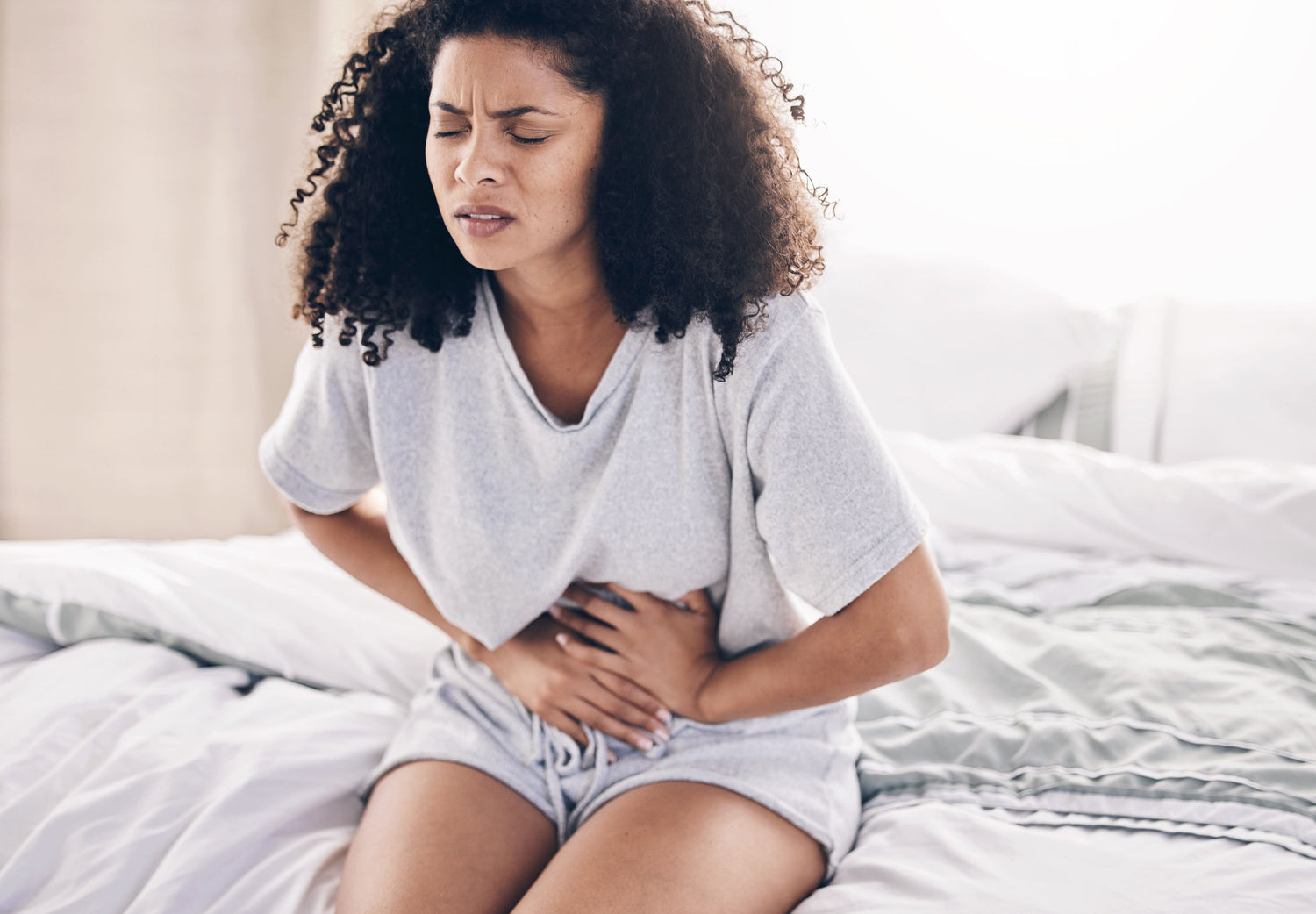
Every month again: pain that feels like a knife in your stomach. Days when you can barely get out of bed. And doctors who tell you it's "normal during your period." If you know this, you should know: It's not normal. And you're not alone.
Endometriosis affects an estimated one in ten women in Germany —
and is, on average, only correctly diagnosed after seven to ten years. A disease so widespread and overlooked for so long finally deserves a clear look. Here you'll get it.
What is Endometriosis?
Normally, the uterine lining — the endometrium — only grows inside the uterus. With endometriosis, it doesn't. Endometriosis-like tissue settles outside the uterus: on the ovaries, fallopian tubes, intestines, bladder, sometimes even the lungs or diaphragm.
The problem: This tissue behaves like the "real" lining — it builds up over the course of the cycle and sheds with menstruation. Except that the blood has nowhere to go. It remains in the body, causing inflammation, adhesions, and scar tissue. This can worsen with each cycle.
The result: chronic pain, systemic inflammation, and often significant limitations in daily life.
Why does Endometriosis occur? An overview of the causes
Retrograde menstruation:
During shedding, part of the menstruation flows backward through the fallopian tubes into the abdominal cavity, where endometrial cells can implant. This happens in most women — but not everyone develops endometriosis. Other triggers are apparently needed.
Estrogen dominance - the central hormonal imbalance:
Endometriosis is an estrogen-dependent disease. The displaced tissue even produces its own estrogen locally — a self-reinforcing cycle. Too much estrogen relative to progesterone promotes the growth of the lesions and fuels inflammation.
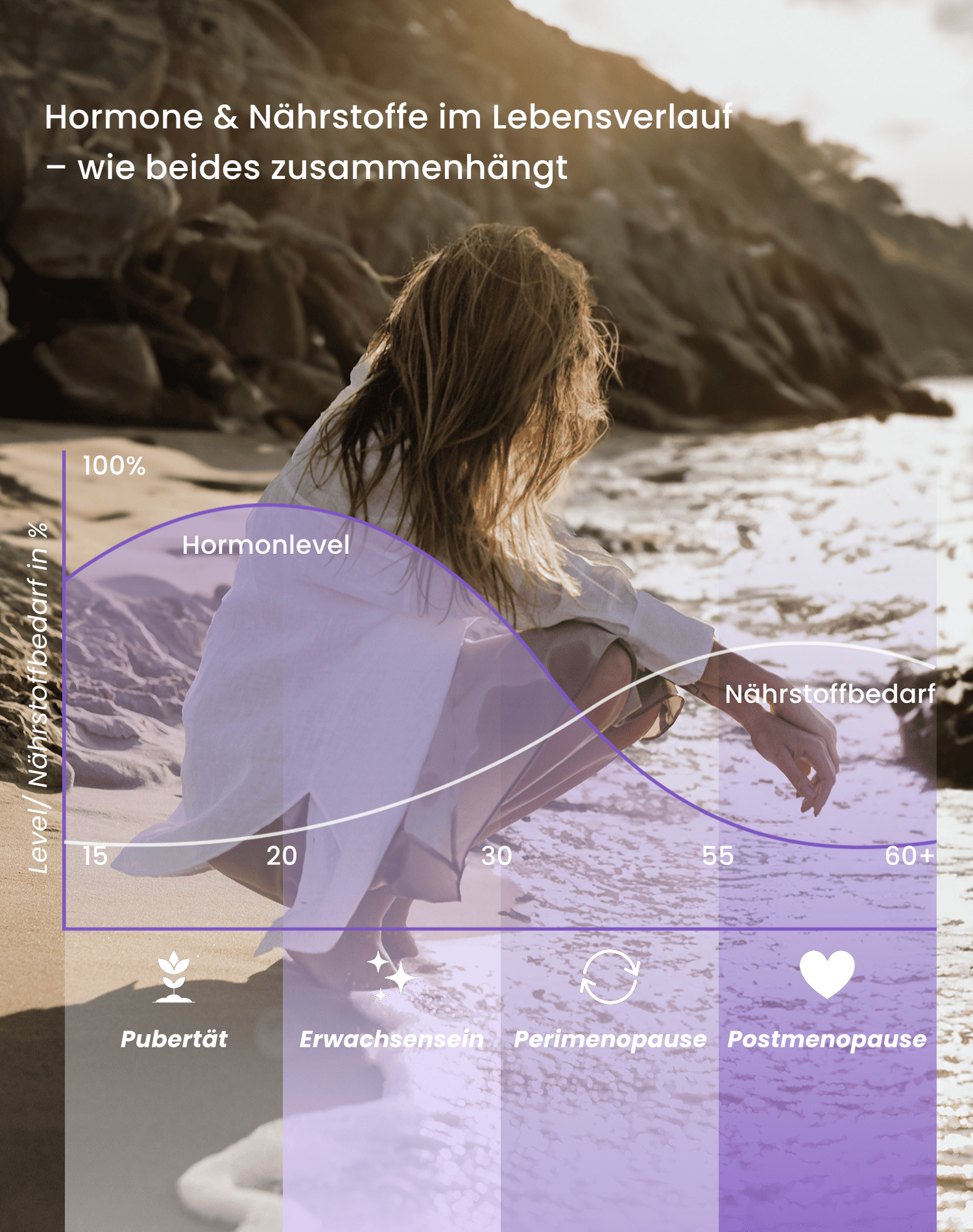
Interestingly: From the late 30s onwards, many women increasingly experience cycles without ovulation. Without ovulation, the progesterone of the second half of the cycle is missing — and estrogen predominates. This imbalance is not only relevant for menopausal symptoms but also fuels estrogen-dependent diseases such as endometriosis.
An immune system out of balance:
A healthy immune system recognizes and eliminates misplaced tissue. In women with endometriosis, this function appears to be disturbed. Inflammatory markers such as interleukin-6 and TNF-alpha are often elevated — the body is in a permanent defense reaction that it can no longer switch off.
Genetic predisposition:
If your mother or sister has endometriosis, your risk is significantly increased. Certain gene variants influence how your body breaks down estrogen, how strong inflammatory reactions are, and how efficiently the immune system works.
Gut health and microbiome - an underestimated factor:
The gut-hormone axis plays a central role. Your gut significantly influences how efficiently estrogen is broken down and excreted. A disturbed microbiome can lead to already metabolized estrogen being reactivated and reabsorbed into the blood — instead of leaving the body. This further fuels estrogen dominance. A permeable intestinal wall, known as leaky gut, is also associated with inflammatory processes that promote endometriosis.
Support – simple and effective
Our specially developed formula combines vitamins, minerals, adaptogens, bacterial cultures, and much more for your daily support. Perfectly coordinated for an uncomplicated daily routine – easy to take and versatile. This all-in-one solution helps you maintain your energy and sustainably support your body, without additional effort.
- 87 ingredients
- Produced in Germany
- Study-based effectiveness
- Specifically for women aged 40+
Clear, honest, to the point – we deliver solutions instead of empty promises.
What Endometriosis feels like — and why it is so often overlooked
The symptoms are so diverse that endometriosis remains under the radar for years — or is dismissed as "normal period pain":
Severe menstrual pain that hardly responds to painkillers
Pain during sex, especially during deep penetration
Pain during bowel movements or urination, especially around the period
Chronic pelvic pain, even outside of menstruation
Heavy or irregular bleeding
Profound exhaustion and fatigue, far beyond simply "being tired"
Unfulfilled desire to have children
Endometriosis is one of the most common causes of female infertility, along with PCOS, thyroid dysfunction, and anovulatory cycles. Not every woman experiences all symptoms. Some only learn about their condition when they want to conceive. Others are unable to work every month. The disease is as individual as you are.
Micronutrients and Endometriosis — a closer look
Vitamin B6 — directly against estrogen dominance
Zinc — for cycle, immune system and hormone balance
Among other things, zinc regulates the release of FSH — the hormone that stimulates egg maturation and ensures a regular cycle. Since the body cannot store zinc for long, a regular, daily intake can make a difference. In addition, it has an antioxidant effect — particularly relevant in endometriosis, which is strongly associated with oxidative stress. Important for eating: Phytates in whole grain products inhibit zinc absorption — soaking legumes and grains helps.
Vitamin D — Immunomodulator and Cycle Regulator
Vitamin D is much more than a bone vitamin. Its influence on the regulation of the female cycle and fertility has long been researched - but is still underestimated. It supports the immune system and can inhibit inflammatory processes. Since most people in Germany have a deficiency, targeted supplementation can be useful - ideally combined with vitamin K2, which ensures optimal utilization and incorporation into tissues. The individually required dose varies greatly and should be determined via a blood test.
Magnesium — the cramp-solver
Omega-3 fatty acids — against pain and inflammation
Vitamin E — the underestimated supplement
Coenzyme Q10 — Cell protection at a deep level
Coenzyme Q10 (ubiquinone) is a powerful antioxidant that protects mitochondria and shields cells from oxidative stress. In chronic inflammatory diseases such as endometriosis, oxidative stress is a constant companion.
Vitamin C — silent support for the immune system
Vitamin C acts as a free radical scavenger with antioxidant effects, strengthens the immune system, and improves iron absorption from the intestine — relevant as many women with heavy bleeding suffer from iron deficiency. It unfolds its full effect especially in combination with other antioxidants.
Your Basis. Daily. Effortless.
Our routine is made for you – uncomplicated, quick to prepare and perfectly integrated into your daily life. Provides you daily with everything your body needs now for
Power. Focus. Balance.
- No hassle
- No complexity
Just you, your energy and the good feeling of taking care of yourself.
Bacterial Cultures: Why Your Gut Plays a Role
Your gut is much more than a digestive organ. It hosts around 1.5 to 2 kilograms of microorganisms — bacteria, viruses, fungi, and single-celled organisms — which together form a highly complex system. This microbiome influences many processes in the body, including hormone metabolism.
A part of the gut flora — the so-called estrobolome — is connected to how estrogen is processed and excreted in the body. If the gut flora is out of balance, this process can be impaired. Especially during phases of hormonal changes, it is therefore worthwhile to pay special attention to gut health.
Probiotics and Prebiotics — what's behind them?
Probiotics are microorganisms such as lactic acid bacteria that naturally occur in the gut and contribute to a healthy gut flora. Prebiotics, on the other hand, are food components that support these gut bacteria in growing and thriving. Both need each other — and both can be supplied through diet and specifically through dietary supplements.
What the gut flora needs to thrive
Fiber-rich foods are the best nourishment for beneficial gut bacteria: vegetables, legumes, whole grains, and fermented foods like sauerkraut or kefir. Psyllium husks are particularly practical - they swell in the intestine, support healthy intestinal transit, and simultaneously act as a natural prebiotic. Important: always drink enough water. Those who want to supplement with a probiotic benefit most from a preparation that contains many different strains, and from regular, daily intake.
4 things you can do right now
1. Have your vitamin D levels checked. This can be done with any blood count — and is one of the quickest ways to close a real supply gap. A deficiency is the rule in Germany, not the exception.
2. Balance your Omega-3. More EPA and DHA — from fatty fish or algae oil — and less Omega-6 from sunflower oil and convenience foods. This will long-term change the inflammatory climate in your body.
3. Look at your gut. Bloating, irregular bowel movements, feeling full — often indications of an unbalanced microbiome. Fermented foods daily, psyllium husks as a prebiotic and a probiotic with relevant strains can make a real difference here.
4. Think in systemsMagnesium, B vitamins, zinc, vitamin D, antioxidants, probiotics — these nutrients work together and reinforce each other. A robust, holistic nutrient supply is the basis on which any further therapy can build.

Conclusion
Endometriosis is complex — and it deserves more than a "there's nothing you can do." There are many levers you can pull. Not as a substitute for medical treatment, but as an active addition to it.
The better you understand what is happening inside you, the more targeted you can act. And precisely this — this knowledge, this self-competence — is the first step out of the feeling of helplessness.
Want exciting content in your inbox?
We believe in the power of community and exchange. Feel free to follow us on Instagram | Pinterest . Or receive emails conveniently in your inbox.
Questions & Answers
I have severe menstrual cramps — could this be endometriosis?
Severe menstrual cramps that restrict your daily life or respond poorly to painkillers are not a normal part of the cycle — even if that's unfortunately still how it's communicated. Endometriosis is one of the most common causes of precisely this type of pain. Other indications can be pain during sex, during bowel movements, or profound exhaustion around your period. If this sounds familiar to you, it's worth seeking a consultation with a gynecological specialist — ideally one who specializes in endometriosis. Early diagnosis makes a real difference.
Can I do anything about endometriosis with diet and supplements?
Supplements are not a substitute for medical treatment — it's important to emphasize that. But they can be a meaningful addition. Certain micronutrients like magnesium, vitamin D, omega-3 fatty acids, and B vitamins are discussed in the scientific literature in connection with inflammatory processes and hormone metabolism. At the same time, your gut plays a bigger role than many people think — a balanced microbiome supports the processing and excretion of estrogen. The most sensible first step: have your blood values checked and see where real supply gaps exist.
What does my gut have to do with endometriosis?
More than you might think. A part of your gut flora – the so-called estrobolome – is directly related to how estrogen is processed and eliminated in your body. If the microbiome is out of balance, this process can be disrupted – with possible effects on hormone levels. In addition, many women with endometriosis report digestive problems such as bloating or irregular bowel movements, especially around their period. Fermented foods, fiber, and if necessary, a probiotic with various bacterial strains can help to balance the gut flora.
Want more information?
Blood sugar management, hormonal balance or healthy sleep – Daylista researches the most important answers about your health for you. Our 9 focus areas help you to specifically improve your well-being: pump it up, happy sleeping, no drama be queen, from the heart, under pressure, l'amour toujours, I can see clearly now, unstoppable and just the way you are. Our Navigator is a resource for you. Because you know what you want - and we know how you can achieve it. Visit the Navigator now.


Dr. Julia Ulbricht-Förschle
As a lawyer and mother of two children, I know the juggling act between job, family and me-time. In my late 40s, I feel stronger and freer than ever – because I've learned to give myself more space. With Daylista I want to encourage women to enjoy their life with lightness, power and the courage to seize new opportunities.