

Table of Contents
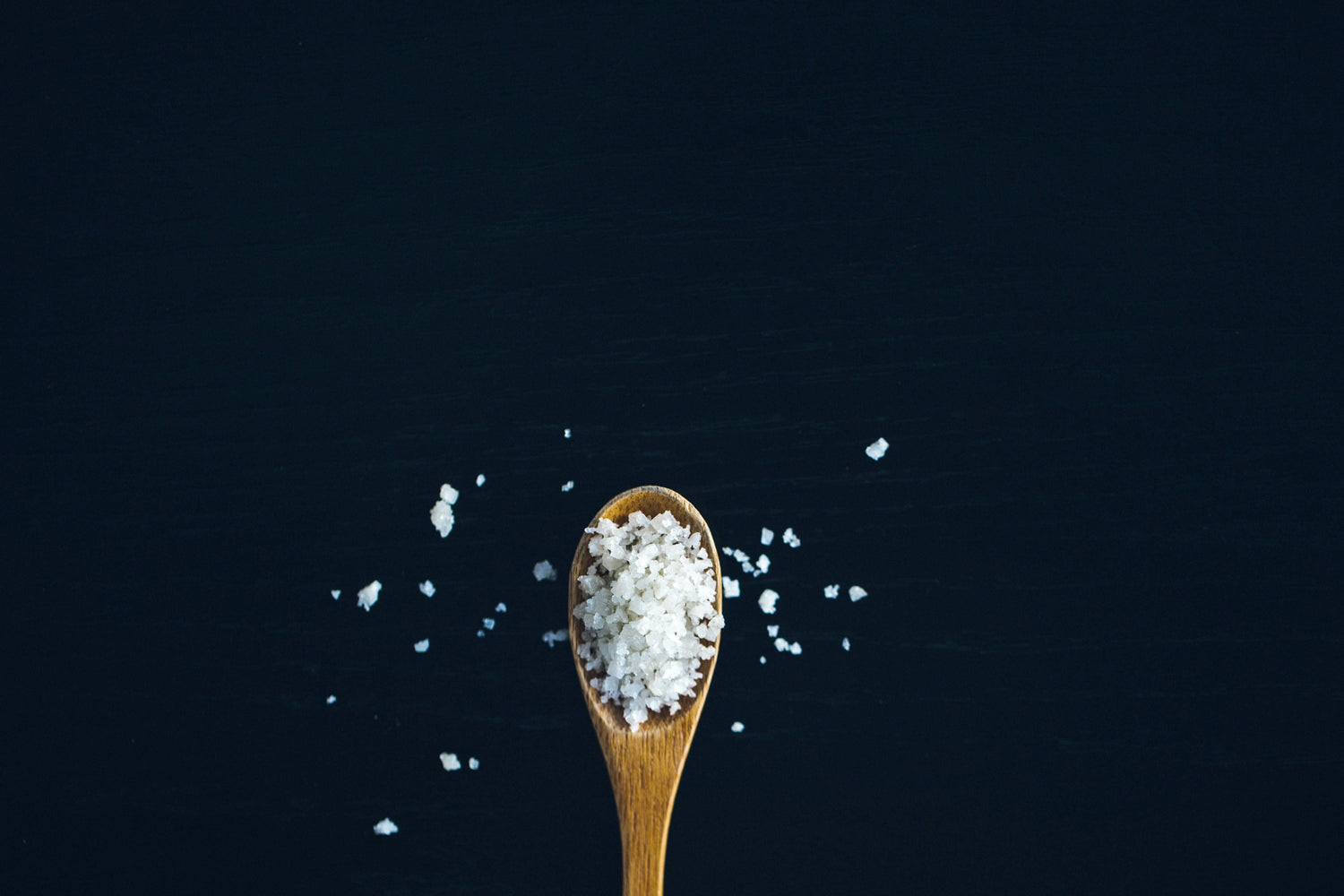
Replace traditional table salt (sodium chloride) with potassium salt. It tastes just as salty, but protects your heart and can lower high blood pressure.
Why do we need to talk about salt?
On average, we consume 10 to 12g of salt per day. This is almost double the amount of 6g recommended by the German Nutrition Society. This high salt intake has far-reaching consequences for our health.
High blood pressure:Salt binds water in the body, increasing blood volume and straining the heart.
Higher risk of strokes & heart attacks:Long-term, sodium chloride damages blood vessels.
Salt is addictive:The more we eat, the more we need for the accustomed taste.
Why potassium salt is the better choice
Potassium salt replaces part of the sodium with potassium chloride – a healthier alternative with scientifically proven benefits. For everyday use, a composition of 1/3 potassium chloride and 2/3 sodium chloride is well suited. It tastes similar to regular salt but reduces the sodium content by approx. 30%.
The Upsides of Potassium Salt
✔ Blood pressure lowering:
Studies show that blood pressure can be lowered by using potassium salt.
✔ Protects the heart:
Reduces the risk of heart attack and stroke.
✔ No harmful health effect on healthy kidneys:
Contrary to popular belief, potassium salt is safe for most people.
✔ Tastes like salt:
With minimal difference in taste.
✔ Easily available:
Available in well-stocked supermarkets or online.
Support – simple and effective
Our specially developed formula combines vitamins, minerals, adaptogens, bacterial cultures and much more for your daily support. Perfectly coordinated for an uncomplicated daily routine – easy to take and versatile. This all-in-one solution helps you maintain your energy and sustainably support your body, without additional effort.
- 87 Ingredients
- Produced in Germany
- Study-based effectiveness
- Especially for women over 40
Clear, honest, to the point – we deliver solutions instead of empty promises.
Salt Reduction in Perimenopause
In perimenopause, the risk of high blood pressure and cardiovascular disease increases. Estrogen deficiency stiffens blood vessels, making them less adaptable. At the same time, the body excretes less sodium, which promotes water retention and higher blood pressure. Salt exacerbates this risk. More salt means more water retention and thus higher blood pressure.
Important: By switching to potassium salt, you can actively protect your heart and circulation and reduce your risk of high blood pressure!
What else you can do
In addition to potassium salt, there are other ways to cleverly reduce your salt intake.
Season with herbs & spices: Fresh herbs like basil, thyme, and rosemary add flavor without needing extra salt.
Use low-sodium soy sauce: Sushi fans beware – conventional soy sauce is a sodium bomb!
Eat more fresh foods:
Avoid ready meals, as they often contain hidden salt.Be careful with effervescent tablets: Many contain high amounts of sodium – it's better to switch to swallowable tablets.
Conclusion: Small change, big impact for your heart
- Table salt is a hidden risk factor for high blood pressure and heart disease.
Potassium salt is a healthy alternative that lowers blood pressure and protects the heart.
Especially during perimenopause, salt reduction is important to minimize the risk of cardiovascular disease.
Try potassium salt – your heart will thank you!

Want exciting content in your inbox?
We believe in the power of community and exchange. Feel free to follow us on Instagram | Pinterest. Or receive emails conveniently in your inbox.
Do you want more information?
Blood sugar management, hormonal balance or healthy sleep – Daylista researches the most important answers about your health for you. Our 9 focus areas help you to specifically improve your well-being: pump it up, happy sleeping, no drama be queen, from the heart, under pressure, l'amour toujours, I can see clearly now, unstoppable and just the way you are. Our Navigator is a resource for you. Because you know what you want - and we know how you can achieve it. Visit the Navigator now.

Questions & Answers
Does potassium salt taste different from regular salt?
Some people perceive a slightly metallic aftertaste, but most do not. Especially in cooked dishes, the difference is hardly noticeable.
How do I recognize hidden salt in food?
On packaging, often only the sodium content is given. A rule of thumb: 1 g of sodium corresponds to 2.5 g of table salt. Especially in bread, cheese, sausage, ready meals and snacks, the salt content is often higher than expected.
Where can I buy potassium salt?
It is available in well-stocked supermarkets or online. Look for terms like "salt substitute" or "potassium salt". For everyday use, a composition of 1/3 potassium chloride and 2/3 sodium chloride is well suited. It tastes similar to regular salt, but reduces the sodium content by approx. 30%.

Dr. Catharina Hamm
Specialist in Internal Medicine and Cardiology
As a cardiologist, I see daily how often heart health in women is underestimated – especially around menopause. I know how important it is to recognize female risks early and to take symptoms seriously. That's why I want to encourage women to actively shape their heart health – with clarity, responsibility, and the knowledge that prevention is the strongest heartbeat.


