Table of Contents
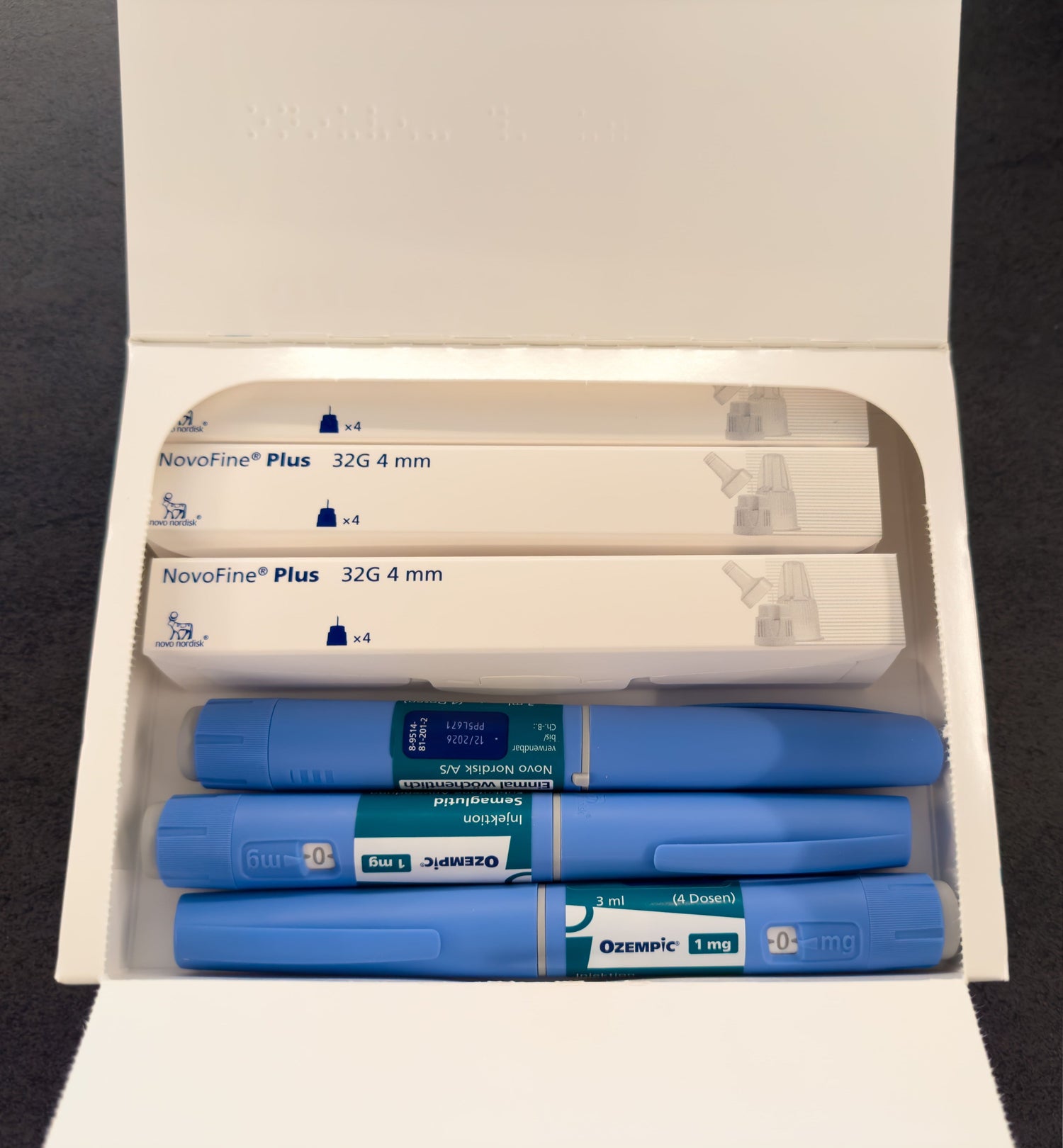
In recent years, so-called GLP-1 agonists have increasingly come into focus. Originally used for the treatment of diabetes, they now also play a major role in weight regulation and metabolic health. Many people associate these medications primarily with blood sugar levels or weight loss. However, what is often overlooked is that these active ingredients deeply intervene in inflammatory processes – and thus also in areas of the body that one might not initially think of. One of these is the oral cavity.
The oral cavity – an active part of metabolism
What GLP-1 does in the body
GLP-1 is an endogenous hormone produced in the intestine that plays a central role in regulating blood sugar. It influences insulin secretion, satiety, and gastric emptying. At the same time, however, it also acts on the immune system and inflammatory signaling pathways.
It is precisely this aspect that is increasingly being highlighted in current research. Studies show that GLP-1 agonists
can have anti-inflammatory effects
reduce oxidative stress
and even support regenerative processes in tissue.
The connection with periodontitis
These effects are particularly exciting in the context of periodontitis, a chronic inflammation of the periodontium. This is because periodontitis is not a purely local disease. It is closely linked to systemic inflammatory processes and metabolic imbalances. Therefore, when metabolism improves, the inflammatory environment in the mouth can also change.
But the connection goes even further. Research shows that certain bacteria that play a role in periodontitis are able to influence hormonal signaling pathways. Some of these germs produce enzymes that can break down GLP-1. This means that a disturbed oral flora not only promotes local inflammation but can also influence systemic regulatory mechanisms. The mouth thus becomes an active player in the overall metabolic process.
Support – simple and effective
Our specially developed formula combines vitamins, minerals, adaptogens, bacterial cultures and much more for your daily support. Perfectly coordinated for an uncomplicated daily routine – easy to take and versatile. This all-in-one solution helps you maintain your energy and sustainably support your body, without additional effort.
- 87 ingredients
- Produced in Germany
- Study-based effectiveness
- Especially for women over 40
Clear, honest, to the point – we deliver solutions instead of empty promises.
What changes in the mouth during GLP-1 therapy
At the same time, we observe in practice that the oral environment changes during GLP-1 therapy. Many patients report
dry mouth,
an altered sense of taste
or more sensitive gums.
These changes are no coincidence. They arise from metabolic adaptations, altered food intake, and influences on the microbiome.
The role of the microbiome
The microbiome plays a central role in this context. It reacts very sensitively to changes in the body. When the metabolic state changes, the bacterial composition in the mouth often also changes. The pH value can shift, the saliva composition changes, and with it the balance between protective and pro-inflammatory germs.
These changes can lead to the gums becoming more susceptible to inflammation. At the same time, there is also a great opportunity. Because if GLP-1 agonists have anti-inflammatory effects and improve metabolic processes, they can indirectly also create the conditions for more stable oral health. It is crucial to consciously accompany this process.
Why micronutrients are particularly important during this phase
Especially in phases where metabolism changes, the supply of micronutrients plays a crucial role. Many people eat less during GLP-1 therapy, have less appetite, or change their eating habits. This can lead to a lack of sufficient essential nutrients. At the same time, the body's needs increase because adaptation processes are taking place and inflammation needs to be regulated.
For oral health and tissue regeneration, the body needs a broad spectrum of micronutrients that work together. It is rarely a single substance that makes the difference – rather, it is many small building blocks that can stabilize the body's balance and facilitate adaptation to the altered metabolic situation. A balanced supply of various vitamins, minerals, and trace elements is therefore particularly valuable during this phase.

Observations from practice
Your basis. Daily. Very simple.
Our routine is made for you – uncomplicated, quick to prepare and perfectly integrated into your daily life. Provides you daily with everything your body needs now for
Power. Focus. Balance.
- No effort
- No complexity
Just you, your energy and the good feeling of taking care of yourself.
Considering the body as a whole
Because ultimately, it consistently shows: The body does not work in isolated areas. Everything is connected. When we influence metabolism, we always also influence the immune system, the microbiome, and the body's ability to regulate inflammation.
GLP-1 agonists open up new possibilities here. They demonstrate how closely metabolism, inflammation, and tissue healing are linked. At the same time, they make it clear that modern medicine is more than just treating individual symptoms. It's about understanding connections and considering the body as a whole.
The oral cavity plays a central role in this. It is often one of the first places where changes in the body become apparent. Those who begin to perceive these signals and interpret them correctly can react early and actively influence their own health.
Or in other words: If your metabolism changes, your mouth also changes. And that's precisely why oral health belongs in every modern health strategy.
Conclusion
GLP-1 agonists are a good example of how interconnected everything in the body is. What begins as metabolic therapy affects the immune system, the microbiome, and thus also your mouth.
Changes such as dry mouth, more sensitive gums, or an altered sense of taste are not minor issues, but signals that your body is reorganizing itself.
The good news: If you notice these signals early and consciously support your body, you can actively shape the adaptation phase. Your mouth is a valuable indicator of what is happening throughout the organism. Listening to it helps you regain an important building block for your own health.
Interested in exciting content in your inbox?
We believe in the power of community and exchange. Feel free to follow us on Instagram | Pinterest . Or receive our emails conveniently in your inbox.
Do you want more information?
Blood sugar management, hormonal balance or healthy sleep – Daylista researches the most important answers about your health for you. Our 9 focus areas help you to specifically improve your well-being: pump it up, happy sleeping, no drama be queen, from the heart, under pressure, l'amour toujours, I can see clearly now, unstoppable and just the way you are. Our navigator is a resource for you. Because you know what you want - and we know how you achieve it. Visit the Navigator now.

Questions & Answers
Can GLP-1 agonists affect the gums?
Yes, many people notice changes in their mouth during GLP-1 therapy — such as dry mouth, more sensitive gums, or an altered sense of taste. This is related to metabolic adaptations, altered food intake, and influences on the oral microbiome. These changes are initially an indication that the body is readjusting — and a reason to pay special attention to your mouth during this phase.
Why is micronutrient supply important during GLP-1 therapy?
During GLP-1 therapy, you often eat less, have less appetite, or change your eating habits. This can lead to your body receiving fewer nutrients from food — at the same time, a lot is happening in the body: adaptation processes, inflammation-regulating processes, tissue regeneration. In such phases, a balanced and broad supply of vitamins, minerals, trace elements, and secondary plant compounds is particularly valuable to support the body's balance.
What does my mouth have to do with my metabolism?
More than most people think. The oral cavity is closely linked to the immune system, hormone balance, and systemic inflammatory processes. Certain bacteria in the mouth can even produce enzymes that influence hormonal signaling pathways such as GLP-1. Conversely, metabolic changes often appear first in the mouth. Oral health is therefore not an isolated topic, but part of your overall health strategy.

Hanna Ebert
As a dentist specializing in biological dentistry, I take a holistic approach to my patients and see daily how closely oral health is linked to overall well-being. With Daylista, I want to encourage women to actively strengthen their health in all its facets – with the right prevention, conscious nutrition, and a focus on the big picture.